PEX and plastic supply pipe
Category · 7 entries · Updated
Plastic supply pipe carries pressurized drinking water from the meter or well to fixtures. In US houses the common kinds are PEX in its three manufacturing types, CPVC, the heat-fused PP-R used more in commercial work, and polyethylene for buried service lines.
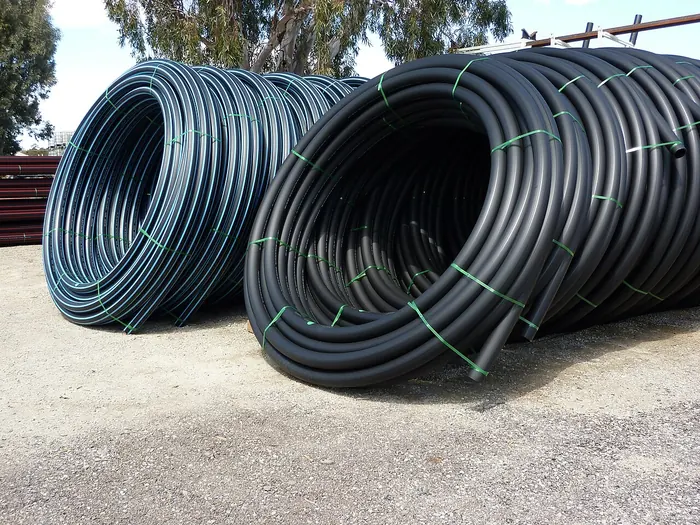
Entries in this category
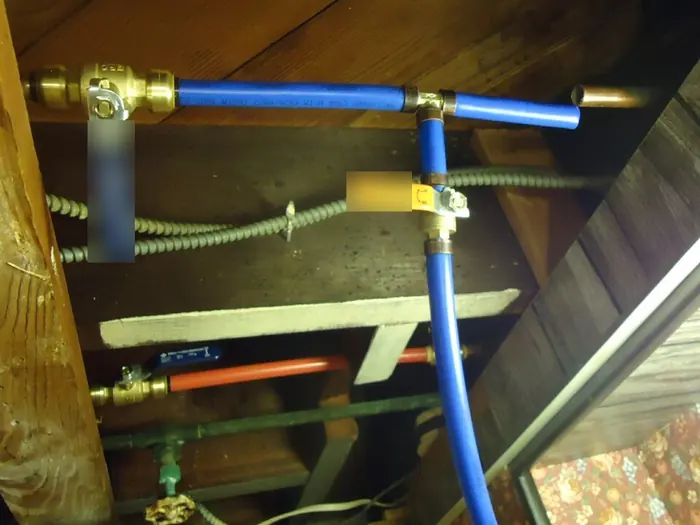 PEX pipeFlexible cross-linked polyethylene tubing for hot and cold water, rated 100 psi at 180°F and joined with mechanical fittings.
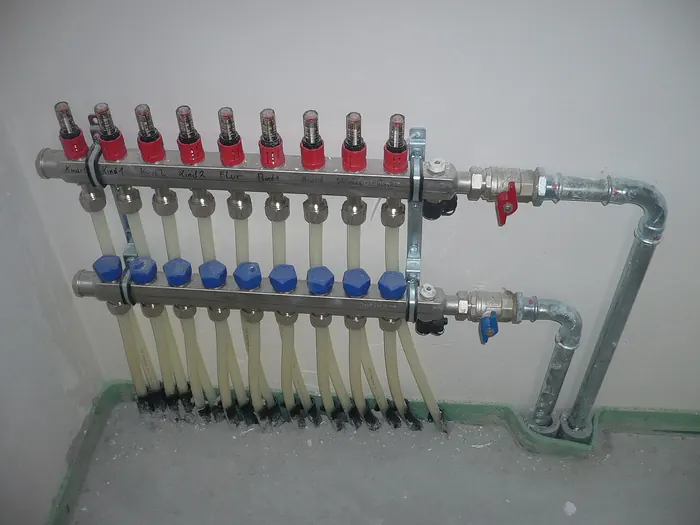 PEX-A pipePEX tubing cross-linked by the peroxide (Engel) method during extrusion; the type used with cold-expansion fittings.
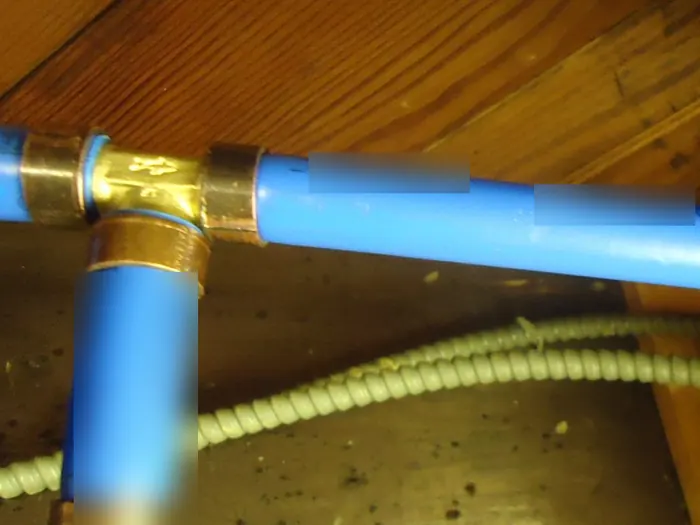 PEX-B pipePEX tubing cross-linked by the silane (moisture-cure) method; commonly joined with crimp, clamp, press or push-fit fittings.
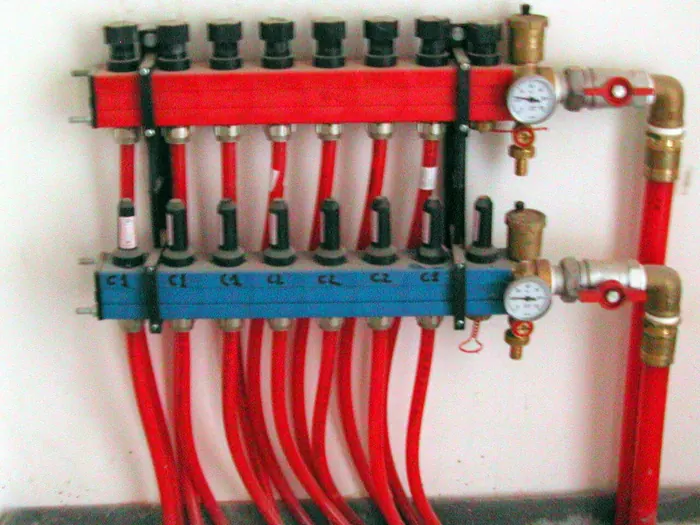 PEX-C pipePEX tubing cross-linked by an electron beam after the tube has been extruded.
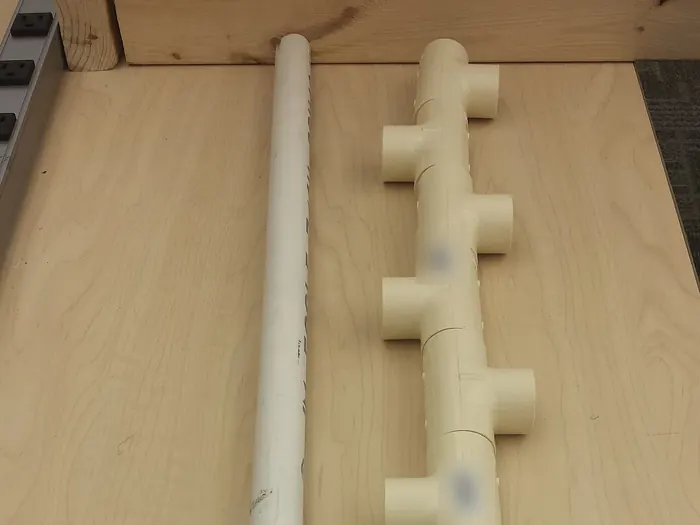 CPVC pipeRigid chlorinated PVC water pipe in copper tube sizes, rated 100 psi at 180°F and joined with CPVC solvent cement.
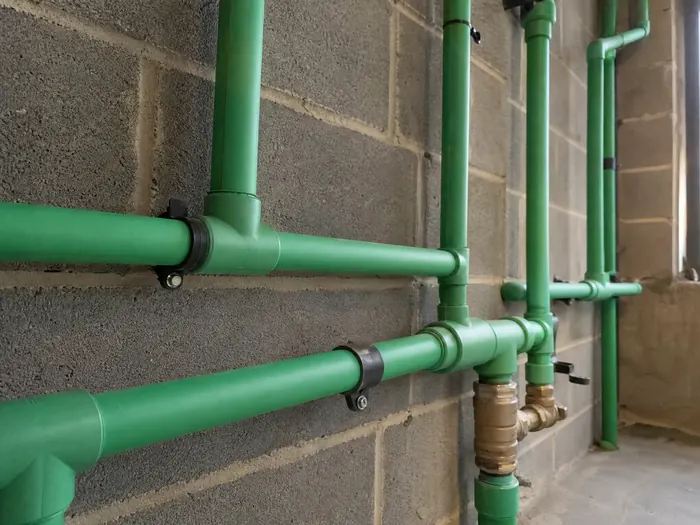 PP-R pipePolypropylene random-copolymer pressure pipe, joined by heat fusion, used for plumbing and hydronic systems mostly in larger buildings.
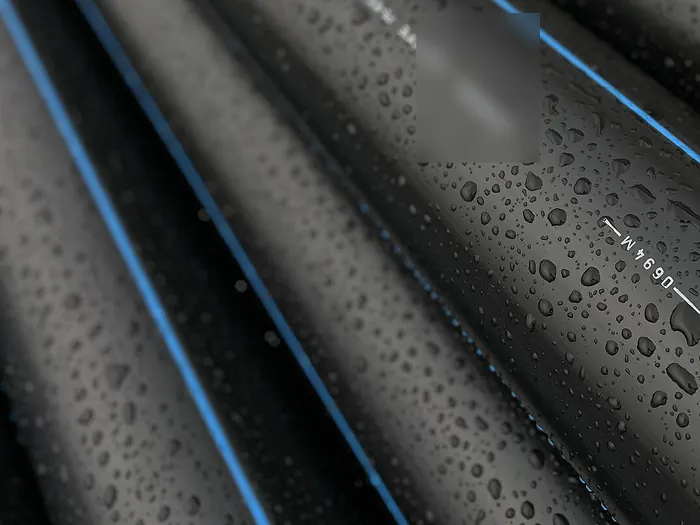 Polyethylene water service pipeFlexible black or colored PE tubing buried between the water main or well and the house; cold water only.
Did you know
- PEX tubing can still be bent by hand at temperatures as low as -40°F. (source: Plastics Pipe Institute and Plastic Pipe and Fittings Association) Read the entry
- PEX use in residential plumbing rose from under 10% in 1997 to more than 60% as of 2016, according to figures cited by the Plastics Pipe Institute. (source: Plastics Pipe Institute) Read the entry
- The chemical method behind PEX-A tubing was developed in 1968 by German inventor Thomas Engel, which is why it is called the Engel method. (source: Uponor) Read the entry